Electric screwdriver vs impact driver: which tool to use and when
Quick answer: For most home jobs, choose an electric screwdriver — it is quieter, lighter, and gives better control on small and medium screws. Choose an impact driver only for long screws, decking, and hard materials, where its higher torque saves time. For most homes, buy the electric screwdriver first.
Choosing between an electric screwdriver and an impact driver is really a choice between control and power. Both drive screws and both save your wrist from endless hand turning, but they suit different jobs. Pick the wrong one and you can strip a small screw or crack a delicate panel. Pick the right one and the job feels easy.
The question of electric screwdriver vs impact driver comes up for almost everyone who assembles furniture or fixes things at home. An electric screwdriver is the gentle, precise tool for everyday screws. An impact driver is the strong, loud tool for long screws and tough materials. Many homes end up owning both, but if you can only buy one first, the answer depends on the work you actually do.
What is an electric screwdriver?
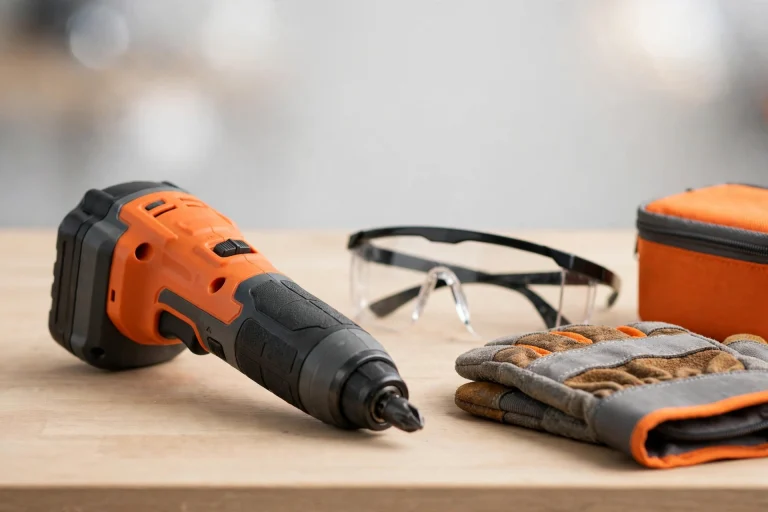
An electric screwdriver is a compact, lightweight tool that drives screws with steady, controlled rotation. It is the powered version of a hand screwdriver, made for the screws most people meet every day: flat-pack furniture, light switches, outlet covers, small appliances, toys, and household fittings.
Most models are small enough to hold in one hand. They have a low speed, modest torque, and an adjustable clutch that stops the tool driving the screw too far. That control is the whole point. With a small screw in soft material, you want the tool to stop before the head sinks too deep or the thread strips.
When to use an electric screwdriver
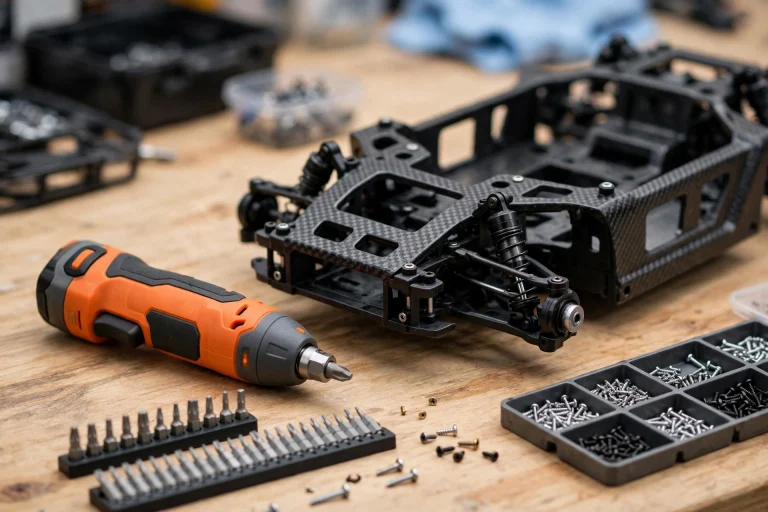
- Assembling flat-pack furniture, shelves, and cabinets
- Fitting hinges, handles, brackets, and wall plates
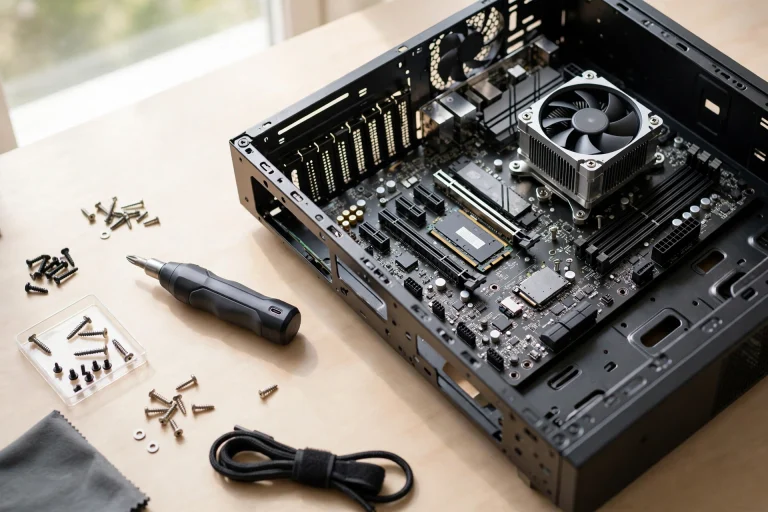
- Repairing small electronics, toys, and household appliances
- Driving small to medium screws in softwood, plastic, or plasterboard
- Any job where a stripped screw or cracked surface would be a problem
What is an impact driver?
An impact driver drives screws with rotation plus short, rapid rotational impacts. Inside the tool, a hammer and anvil mechanism delivers quick twisting blows as the screw meets resistance. Each blow adds a burst of turning force without twisting your wrist, so it can push a long screw through tough material that would stall a normal screwdriver.
You can recognise an impact driver by its short, stubby body and quick-release hex chuck. Instead of a traditional three-jaw chuck, it has a hexagonal socket that accepts hex-shank bits with a simple push and click, so changing bits is fast.
An impact driver usually has higher torque than an electric screwdriver and is built for bigger jobs: decking boards, fences, pergolas, long screws in joists, large bolts, and coach screws. It can also remove old, stuck, or rusted screws that a smaller tool would struggle with.
When to use an impact driver
- Driving long screws into hardwood, decking, or thick timber
- Fixing decking boards, fences, and garden structures
- Driving lag bolts, coach screws, and large fasteners
- Working with dense or tough materials
- Removing old, tight, or slightly rusted screws
electric screwdriver vs impact driver: the key differences
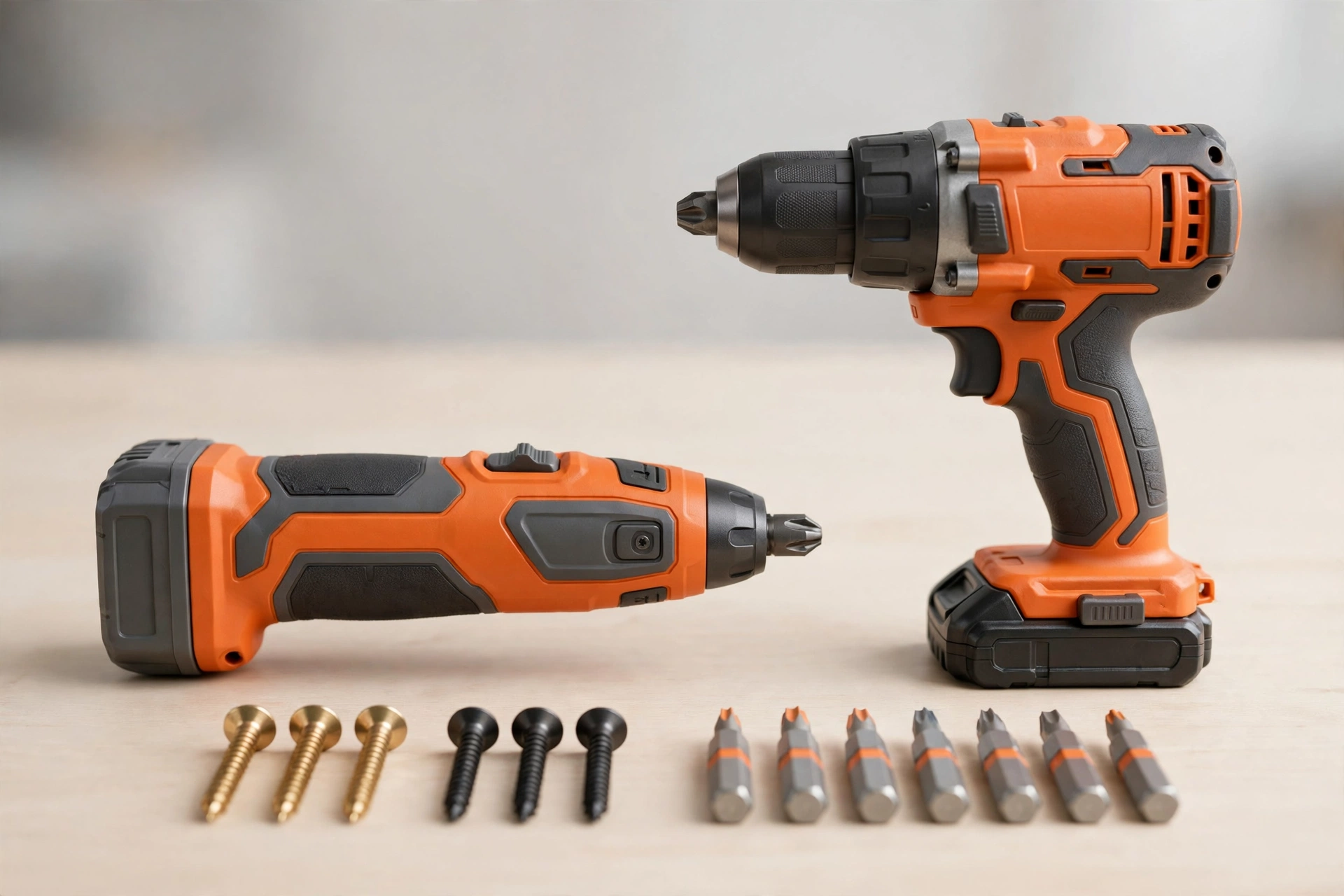
The clearest way to understand electric screwdriver vs impact driver is to compare them side by side. They overlap in some jobs, but their strengths point in opposite directions.
| Feature | Electric screwdriver | Impact driver |
|---|---|---|
| Best for | Small and medium screws, furniture, electronics, light jobs | Long screws, decking, timber framing, lag bolts |
| Torque | Lower, gentle and controlled | Higher, with short rotational impacts |
| Control | Excellent, clutch helps prevent overdriving | Less fine control, easy to overdrive small screws |
| Chuck | Small chuck or bit holder for standard bits | Quick-release hex chuck for hex-shank bits |
| Noise | Quiet, smooth and steady | Louder, rapid rattling when impacts engage |
| Size and weight | Compact and light | Short but heavier and bulkier |
| Typical cost | Lower, often the cheapest powered option | Higher, though still affordable |
The electric screwdriver wins on control, comfort, and quiet operation. The impact driver wins on power, speed, and hard jobs. Neither is better in every situation, which is why the comparison matters before you buy.
Torque and power
Torque is the turning force a tool applies to a screw, and it is the biggest difference here. An electric screwdriver delivers torque smoothly and steadily, which is ideal for a small screw because the force builds gently and you can stop at the right moment. An impact driver delivers torque in bursts, and each burst is much stronger than the steady force of a small screwdriver.
Control, precision, and screw damage
Control is where the electric screwdriver clearly wins. A good model has a clutch with several torque settings, and you can set it low for soft material and small screws. When the screw reaches the right depth, the clutch slips and the tool stops turning it, even if you keep the trigger pressed. That simple feature prevents most stripped screws and overdriven fixings.
An impact driver has less of that protection. It is designed to keep driving until the screw is fully seated, using powerful bursts. On a large screw in thick wood, that is what you want. On a small screw in a laptop, a toy, or a thin furniture panel, it is far too much. The screw can spin, the head can round off, and the material can crack in a fraction of a second.
Precision also matters with small screws. Electronics, glasses, toys, and small appliances often use tiny screws that need a gentle touch. A mini electric screwdriver is made for this work, with a slim body and low torque. An impact driver is simply the wrong tool at that scale.
Noise, comfort, and ease of use
An electric screwdriver is quiet enough to use indoors without disturbing the rest of the house. You can assemble furniture in the evening or fix a hinge in a bedroom while someone else works nearby. An impact driver is noticeably louder, especially when the impact mechanism is working hard, and hearing protection is a good idea for long sessions. If you live in a flat or work early or late, the quieter tool is the more neighbour-friendly choice.
Ease of use favours the electric screwdriver for beginners. There is little to learn: choose the right bit, set the torque low, and drive the screw. An impact driver needs more care: impact-rated bits, speed control, and knowing when to release the trigger. It is not difficult, but it rewards a little practice. Our guide on how to use an electric screwdriver covers the basics, such as lining up a bit and keeping it straight, which apply to both tools.
Which screws and materials suit each tool?
Screw size and material are the simplest way to decide. As a rule, if the screw is short and the material is soft or delicate, use the electric screwdriver. If the screw is long and the material is hard or thick, use the impact driver.
Small screws in electronics, hinges, handles, and light fittings belong with the electric screwdriver. Medium screws in flat-pack furniture, shelving, and plasterboard do too, because the material can split or the screw can strip under too much force. Screws in plastic also need a gentle touch, because plastic cracks easily under high torque.
Long screws in decking, fencing, timber framing, and joists belong with the impact driver, because they need sustained power to drive them fully home. Lag bolts and coach screws, which are thick and heavy, are also impact driver work, as are screws in hardwood, dense chipboard, or old timber that has hardened with age.
Cost and which tool to buy first
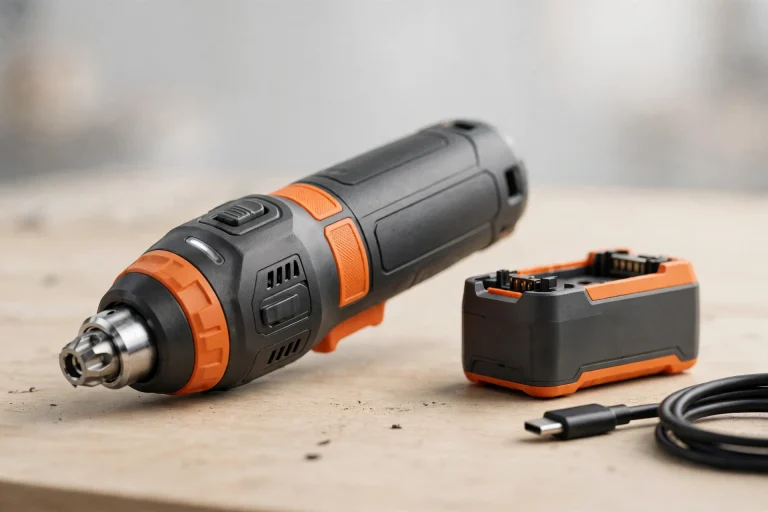
A decent electric screwdriver is one of the cheapest power tools you can buy, and it often comes with a set of bits and a charger. An impact driver costs more, partly because it is more powerful and partly because it is often sold as a bare tool or as part of a kit with batteries, which add to the cost.
For most households, buy the electric screwdriver first. It handles the jobs you do most often, it is cheaper, quieter, lighter, and easier to use, and it is the tool you will reach for week after week. Start with a good electric screwdriver and a sensible set of bits, and add an impact driver later when you take on bigger projects.
If you are still weighing up your options, our guide to the best electric screwdriver explains what to look for in battery life, torque settings, comfort, and value, so you can choose a tool that fits your home and budget.
Can one tool do both jobs?
You can get by with one tool, but you will always be compromising. An electric screwdriver can handle a surprising range of jobs if you drill pilot holes first, but it will struggle with long screws in hard wood. An impact driver can handle small screws if you are very careful on a low speed, but it is easy to damage delicate work. Use impact-rated electric screwdriver bits with an impact driver, and remember that an impact driver is not a drill: our comparison of electric screwdriver vs drill explains how the three tools fit together.
FAQs
Can I use an impact driver instead of an electric screwdriver?
You can, but it is not always a good idea. An impact driver has much higher torque and less fine control, so it can strip small screws, split thin wood, or crack plastic. It works well for medium and large screws in tough material, but for furniture, electronics, and delicate jobs, an electric screwdriver is safer and more precise.
Is an impact driver stronger than an electric screwdriver?
Yes, an impact driver is usually stronger. Its hammer and anvil mechanism delivers short rotational impacts that add extra turning force when the screw meets resistance. That makes it better for long screws, lag bolts, and hard materials. An electric screwdriver has lower torque, but that gives you better control on small and delicate screws.
Will an impact driver damage small screws?
It can, very easily. Small screws have fine threads and small heads, and high torque can strip the head, snap the screw, or drive it too deep before you can react. Always use an electric screwdriver for small screws. If you must use an impact driver, use the lowest speed, an impact-rated bit, and a very light touch on the trigger.
Do I need impact-rated bits for an impact driver?
Yes, you should use impact-rated bits with an impact driver. The repeated hammering puts a lot of stress on a bit, and standard bits can snap, chip, or wear out quickly. Impact-rated bits are made from tougher steel and are designed to flex slightly under impact, so they last longer and are safer to use.
Is an impact driver too loud for indoor use?
It is louder than an electric screwdriver, and the rattling sound can be unpleasant indoors, especially in a small room or a flat. For short jobs it is manageable, but for long sessions consider hearing protection. An electric screwdriver is much quieter and is the better choice for most indoor household work.
Which should I buy first, an electric screwdriver or an impact driver?
For most homes, buy the electric screwdriver first. It handles the everyday jobs you do most often, it costs less, it is quieter and lighter, and it is easier to use. Buy an impact driver first only if your main work involves decking, fencing, timber framing, or long screws in hard materials, where its extra power saves real time and effort.
Conclusion
The choice in electric screwdriver vs impact driver is not about which tool is better in general. It is about which tool fits the job in front of you. The electric screwdriver is the tool for control, precision, and everyday household work: quiet, light, affordable, and gentle enough for furniture, electronics, and small screws. The impact driver is the tool for power, speed, and heavy work.
For most people, the sensible path is to start with a good electric screwdriver, learn to use it well, and add an impact driver when bigger projects come along. If you already do heavy outdoor or renovation work, start with the impact driver and add a small electric screwdriver later.